Flexible Fuel Bladder vs Rigid Marine Fuel Tank: Which Is Better for Auxiliary Fuel Storage?
Auxiliary fuel storage looks simple until the wrong tank creates space, installation, or transfer problems on board.
A flexible fuel bladder is often better for temporary auxiliary fuel storage, limited deck space, long-distance cruising, or projects that avoid vessel modification. A rigid marine fuel tank is better for permanent installation, repeated daily operation, and fixed fuel system integration.
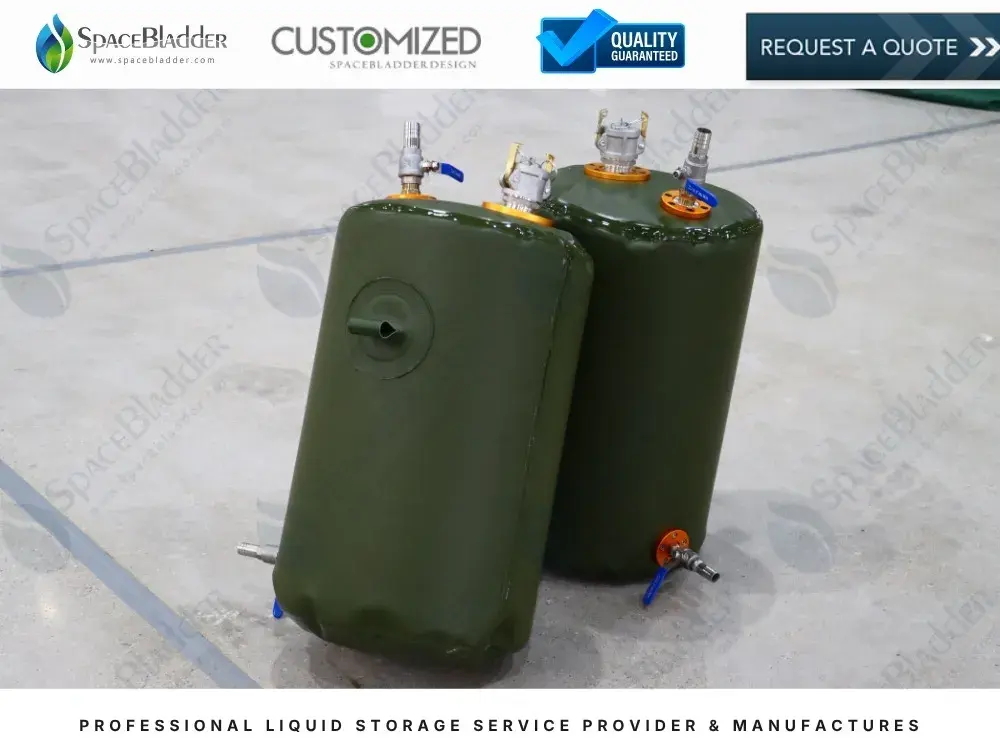
For marine buyers, the better choice is not decided by one word such as “flexible” or “rigid.” It depends on how often the fuel storage will be used, where the tank will be placed, how fuel will be transferred, and whether the vessel can accept permanent modification. At Bancy Solutions, I usually treat this as specification-matching work: the real question is whether the buyer needs a fixed fuel system or a temporary auxiliary fuel storage solution that can be deployed, connected, emptied, and stored with a clear process.
When is a flexible fuel bladder more practical than a rigid tank?
A rigid tank is not always the best answer when the fuel requirement is temporary, route-based, or limited by deck space.
A flexible fuel bladder is more practical when buyers need auxiliary fuel for cruising range, temporary transfer, remote marine support, or limited deck space without permanently modifying the vessel.
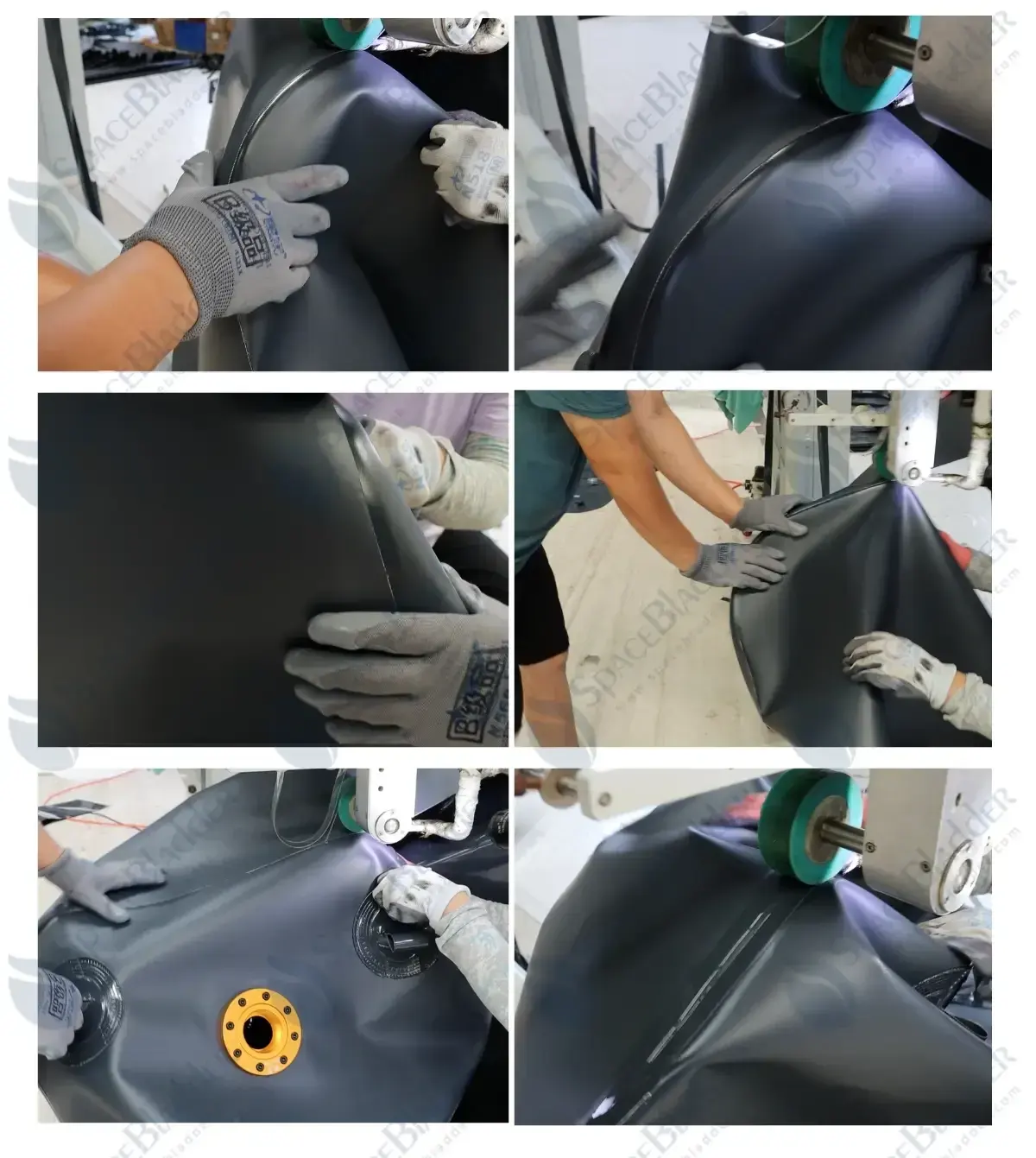
Temporary storage versus permanent installation
A rigid marine fuel tank is usually selected when the vessel needs a fixed fuel system for long-term daily operation. It has a defined installation position, stable dimensions, and a more permanent connection route. This can be suitable for vessels with enough structural space and a clear long-term fuel system plan.
A flexible fuel bladder serves a different purpose. It is often used when buyers need additional fuel only for specific routes, seasonal work, delivery trips, or temporary marine service projects. The bladder can be deployed when needed and stored after use, which helps when permanent tank space is limited or vessel modification is not preferred.
| Marine fuel storage situation | More suitable option | Details buyers should prepare before requesting a quotation |
|---|---|---|
| Permanent onboard fuel system | Rigid marine fuel tank | Installation space, mounting structure, plumbing route, inspection access |
| Extra cruising range | Flexible fuel bladder | Required extra capacity, deck space, hose connection, securing method |
| Temporary fuel transfer | Flexible fuel bladder | Fuel type, transfer direction, inlet/outlet size, connector type |
| Daily commercial operation | Rigid marine fuel tank | Long-term use frequency, fixed system layout, maintenance access |
Practical use depends on the operating process
In marine auxiliary fuel projects, many buyers first ask for capacity, but the final design often depends more on deck space, outlet position, and hose connection. A 1000L request may look clear at first, but the practical question is where the filled bladder can sit, how it will be secured, and how fuel will move from the bladder to the vessel or equipment.
Before asking for an accurate quotation, buyers should confirm whether the flexible fuel bladder is for temporary storage, auxiliary supply, or fuel transfer. These details help the supplier check whether the design is practical before production.
What are the space-saving advantages of a foldable design?
Many marine fuel storage problems begin with space, not capacity.
The main space-saving advantage of a foldable fuel bladder is that it can be stored compactly when empty and deployed only when auxiliary fuel is needed, reducing pressure on permanent vessel space.
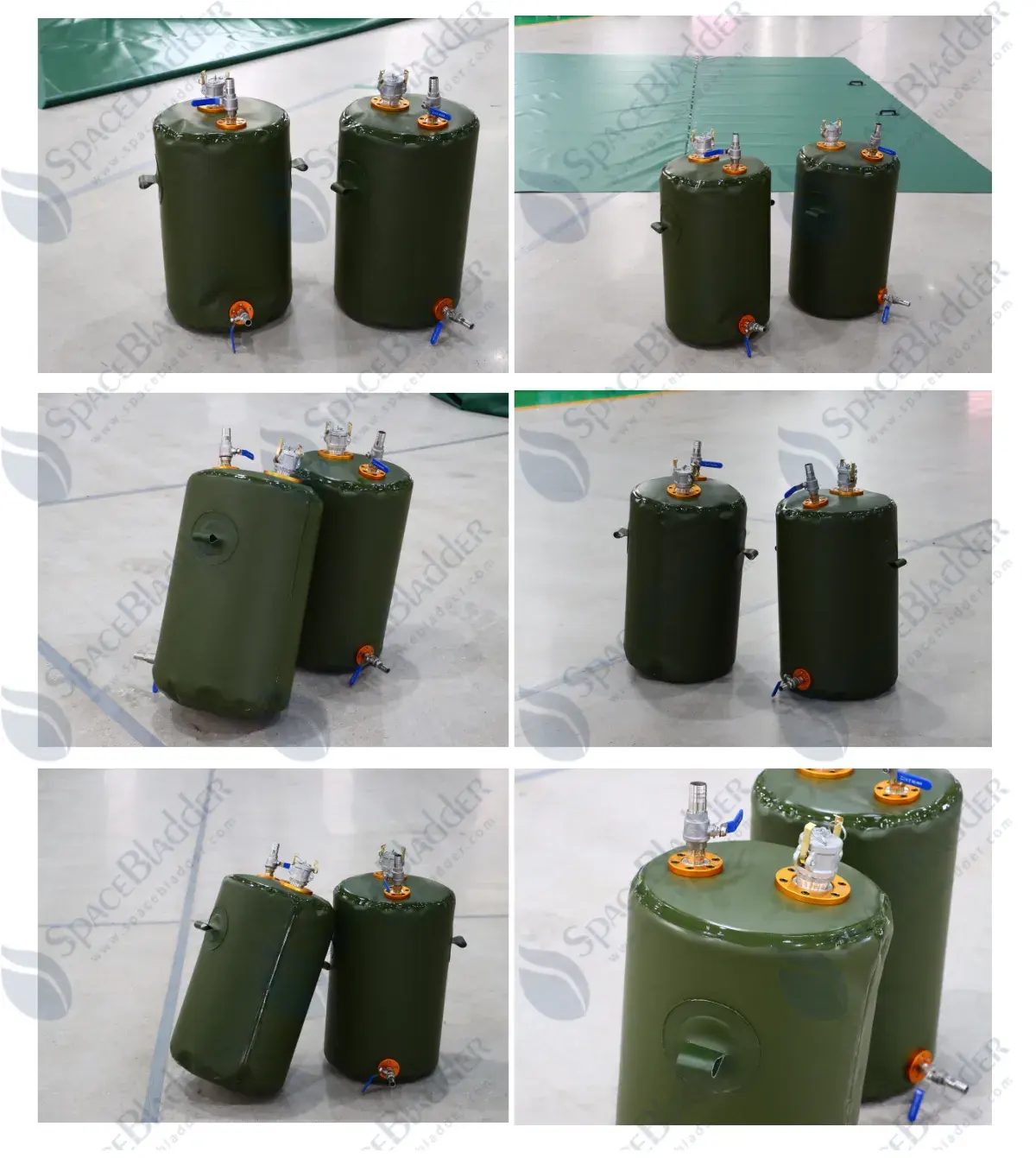
Empty storage matters before and after use
Rigid marine fuel tanks keep the same external size whether they are full, half full, or empty. This can create a problem on vessels where storage compartments, work areas, or deck space are already limited. A foldable fuel bladder offers another option because the empty product can be packed and stored with a much smaller volume.
This advantage is especially useful for buyers who only need auxiliary fuel on certain trips. They may not want a permanent tank taking up vessel space throughout the year. A foldable fuel bladder can support a more flexible operating plan, provided that the filled placement area is properly prepared.
| Space planning item | Buyer action before ordering | Why it affects the fuel bladder specification |
|---|---|---|
| Empty storage area | Confirm where the bladder will be kept after use | Helps estimate packing and handling needs |
| Filled placement area | Provide usable length, width, and surface condition | Helps judge practical capacity and filled position |
| Access route | Confirm whether crew can move the packed bladder | Helps decide packing method and handling design |
| Hose connection space | Check clearance around inlet and outlet | Helps avoid transfer difficulty during use |
Foldable does not mean no planning
A foldable design saves space when empty, but the filled fuel bladder still needs a flat, supported, and protected placement area. Buyers should avoid judging the product only by its packed size. Fuel weight, vessel movement, support surface, and transfer route all need to be considered before production.
For project-based buyers, storage after use and packing volume may be as important as filled capacity. A clear quote request should include expected capacity, available space, placement method, and whether the fuel bladder will be moved between different areas. This information is more useful than only saying “we need a 500L fuel bladder.”
How do installation requirements differ between bladder tanks and fixed tanks?
Installation is one of the biggest differences between a flexible fuel bladder and a rigid marine fuel tank.
A rigid marine fuel tank usually needs fixed mounting and planned plumbing, while a flexible fuel bladder needs temporary support, secure placement, suitable fittings, and a controlled transfer process.
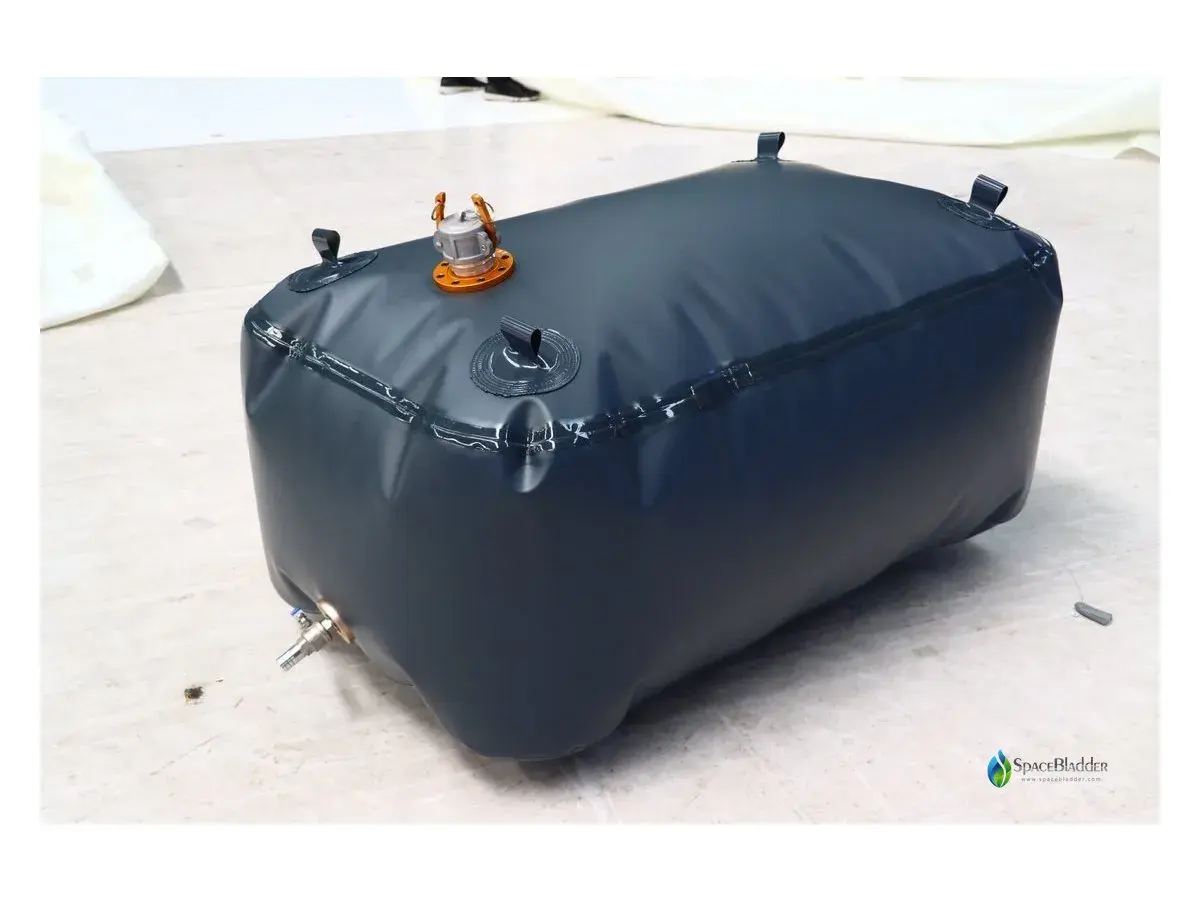
Rigid tanks require fixed system planning
A rigid marine fuel tank normally becomes part of the vessel’s fixed structure or fuel system. Buyers need to consider mounting points, installation access, fuel line routing, inspection space, and compatibility with the existing system. This is appropriate when the vessel needs stable, repeated, long-term fuel storage in the same location.
A flexible fuel bladder is usually handled differently. It does not require the same kind of fixed tank installation, but it still needs careful placement and securing. Buyers should confirm whether the surface is flat, whether sharp edges are avoided, and whether the bladder can be positioned without blocking normal vessel operation.
| Installation factor | Flexible fuel bladder | Rigid marine fuel tank |
|---|---|---|
| Placement method | Temporary supported placement | Fixed installation position |
| Vessel modification | Often lower modification requirement | May require structural and plumbing planning |
| Storage when not in use | Can be packed after emptying | Remains in fixed position |
| Best application | Auxiliary or temporary fuel storage | Permanent onboard fuel system |
Transfer setup should be confirmed early
The fuel bladder itself is only one part of the auxiliary fuel storage solution. The transfer process is just as important. Buyers should confirm filling method, discharge method, hose size, valve type, connector type, and whether the outlet position matches the planned transfer direction.
In custom fuel bladder discussions, unclear fitting requirements often cause more delay than capacity selection. For an accurate quotation, buyers should provide fuel type, inlet size, outlet size, valve material preference, connector type, quantity, destination country, and any packing requirements. These details help the supplier prepare a workable specification rather than only quoting a capacity.
What limitations should marine buyers understand before ordering?
A flexible fuel bladder is useful, but it should not be treated as a universal replacement for every marine fuel tank.
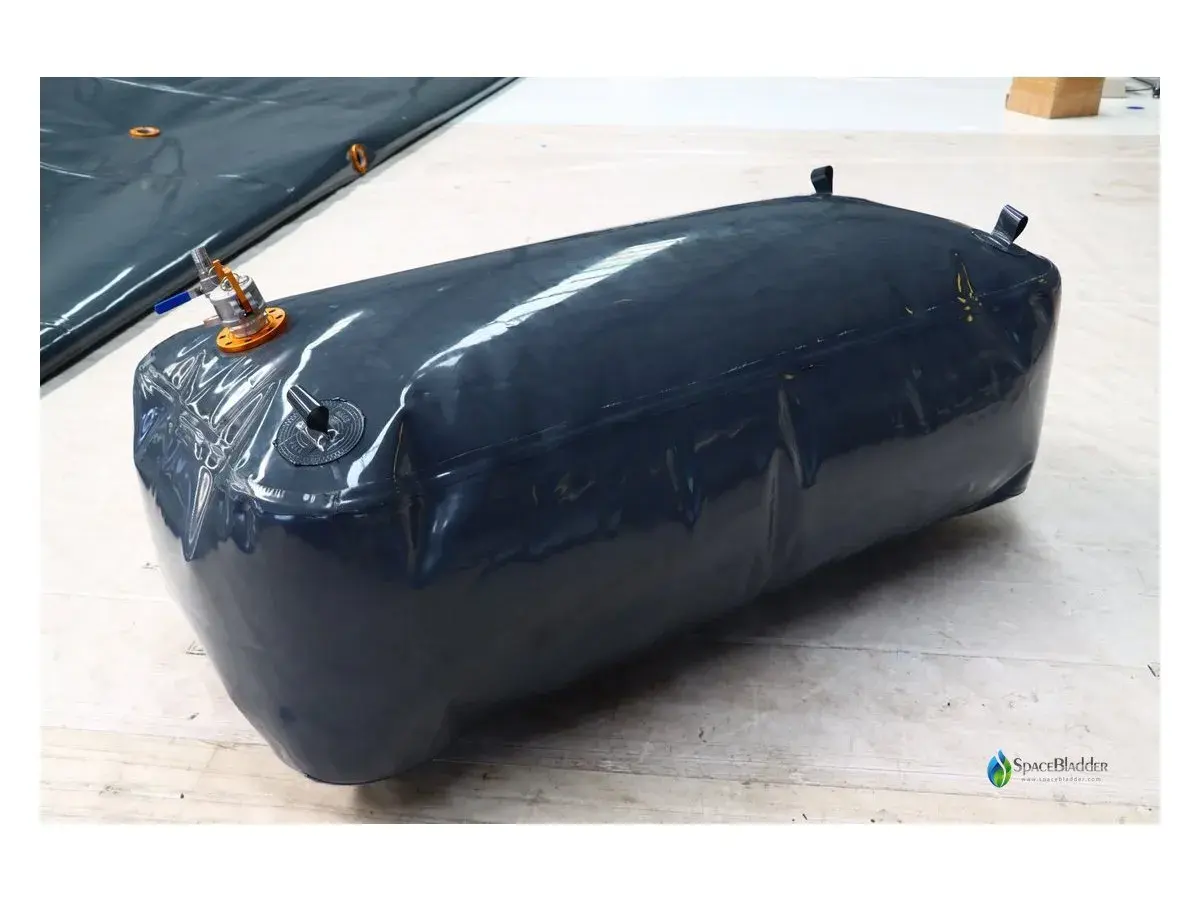
Marine buyers should understand that flexible fuel bladders are usually intended for temporary or auxiliary storage when properly supported and secured, not as automatic replacements for all permanent fuel systems.
Application suitability must be confirmed
The first limitation is application suitability. A flexible fuel bladder may be a practical option for auxiliary fuel storage, fuel transfer, route extension, or temporary project support. However, a rigid marine fuel tank may be more suitable when the buyer needs a permanent onboard fuel system for frequent daily operation.
Fuel type is another important point. Material compatibility should be confirmed based on the actual liquid, such as diesel, gasoline, fuel oil, or another fuel. Buyers should also confirm local marine, transportation, and fuel handling requirements before ordering and using the product.
| Limitation to confirm | Buyer action before ordering | Why this matters |
|---|---|---|
| Fuel type | Provide the exact fuel or liquid name | Material compatibility depends on the liquid |
| Filled placement area | Confirm support surface and available space | Helps reduce placement and handling problems |
| Securing method | Describe how the bladder will be controlled during use | Important for marine operating conditions |
| Use frequency | Explain temporary, seasonal, or daily use | Helps compare flexible and rigid options |
| Local requirements | Check applicable fuel handling rules | The buyer should confirm local requirements before use |
Avoid choosing only by price
A low price can be attractive, but it may create problems if the material, fittings, capacity, or placement method is not suitable. For marine auxiliary fuel storage, buyers should pay attention to reinforced seam construction, leak-resistant welding, valve configuration, and practical quality checks before shipment.
This does not mean every project needs the most complicated design. It means the specification should match the real use case. A short inquiry like “Price?” is usually not enough for custom production. A better inquiry should explain capacity, available space, fuel type, fitting requirements, quantity, destination country, and expected application scenario.
How can custom fittings make auxiliary fuel transfer easier?
Many auxiliary fuel storage problems happen at the connection point, not at the tank body.
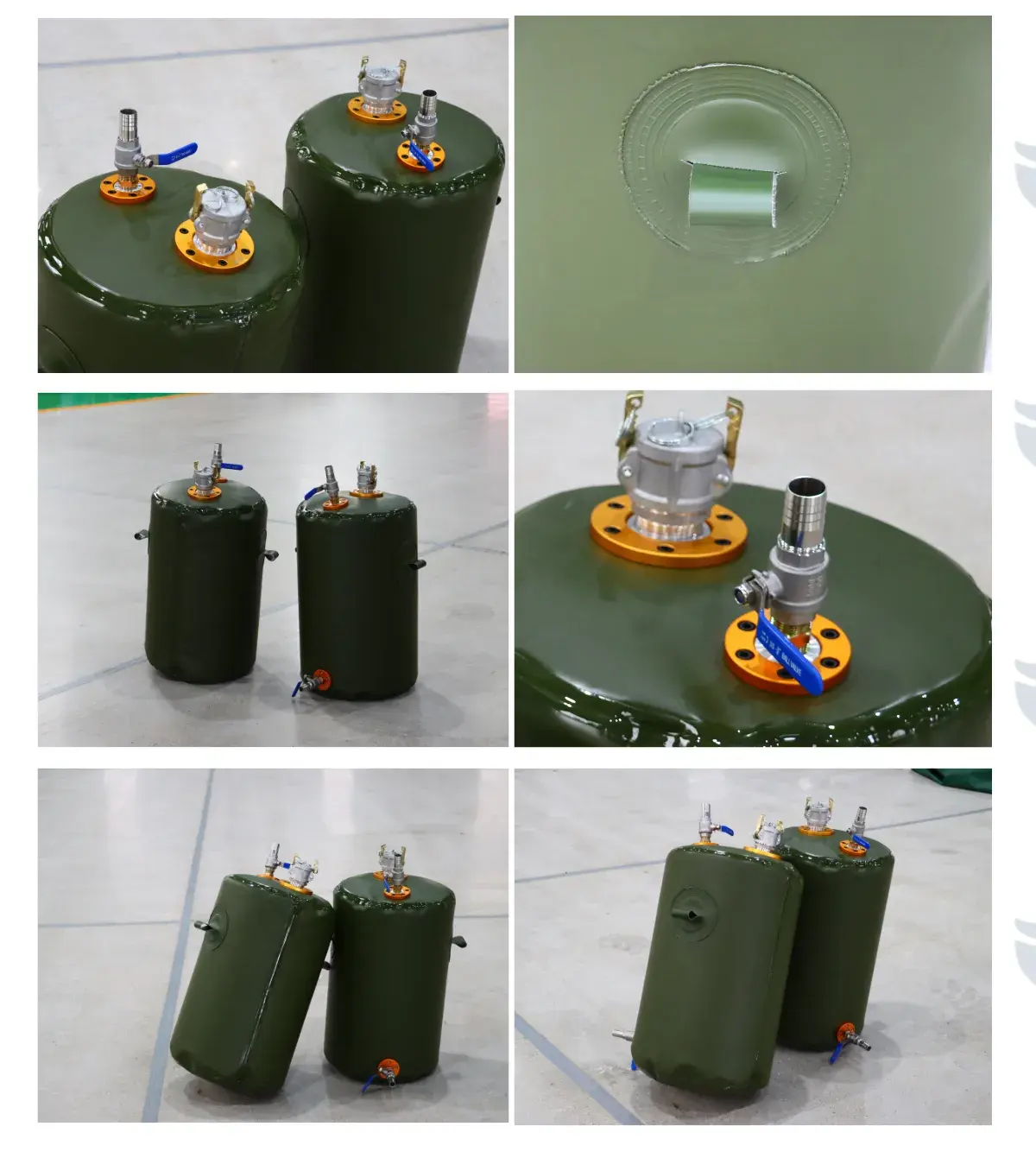
Custom fittings can make auxiliary fuel transfer easier by matching the fuel bladder inlet, outlet, valve type, connector type, hose size, and outlet position to the buyer’s actual transfer process.
Valve and connector selection affects real operation
A flexible fuel bladder can be customized with different inlet and outlet configurations. Buyers may need a larger inlet for filling, a stainless steel outlet valve for controlled discharge, or a camlock connector for easier hose connection. Some projects may also require a specific outlet position based on the deck layout or transfer direction.
The best fitting configuration depends on the use scenario. A yacht owner needing auxiliary cruising range may have different transfer needs from a marine service company using the bladder for temporary fuel movement between work areas.
| Fitting specification | Details buyers should provide | Practical effect during transfer |
|---|---|---|
| Inlet size | Filling hose size and filling method | Helps improve filling convenience |
| Outlet size | Discharge hose size and transfer speed expectation | Helps match the transfer process |
| Valve type | Stainless steel valve or other requirement | Helps control fuel discharge |
| Connector type | Camlock, quick connector, or threaded connection | Helps match existing hose equipment |
| Outlet position | Preferred transfer direction and placement area | Helps reduce hose routing problems |
Better specifications reduce communication delays
For custom production, “fuel bladder with valve” is usually not detailed enough. Buyers should explain how fuel will be filled, how it will be transferred, what hose or connector standard they use, and whether the bladder will be placed on deck, in a service area, or in another supported position.
A useful quote request does not need to be complicated. For example: “We need 5 pcs 1000L diesel fuel bladders for auxiliary marine fuel storage, with 2 inch camlock inlet, 1 inch stainless steel outlet valve, packed for export to Australia.” This type of inquiry helps the supplier check whether the design is practical and prepare a more accurate quotation.
Conclusion
Choose a rigid marine fuel tank for permanent systems, and choose a flexible fuel bladder for temporary auxiliary storage, limited space, and custom transfer needs.